free crochet patterns for beginners pdf
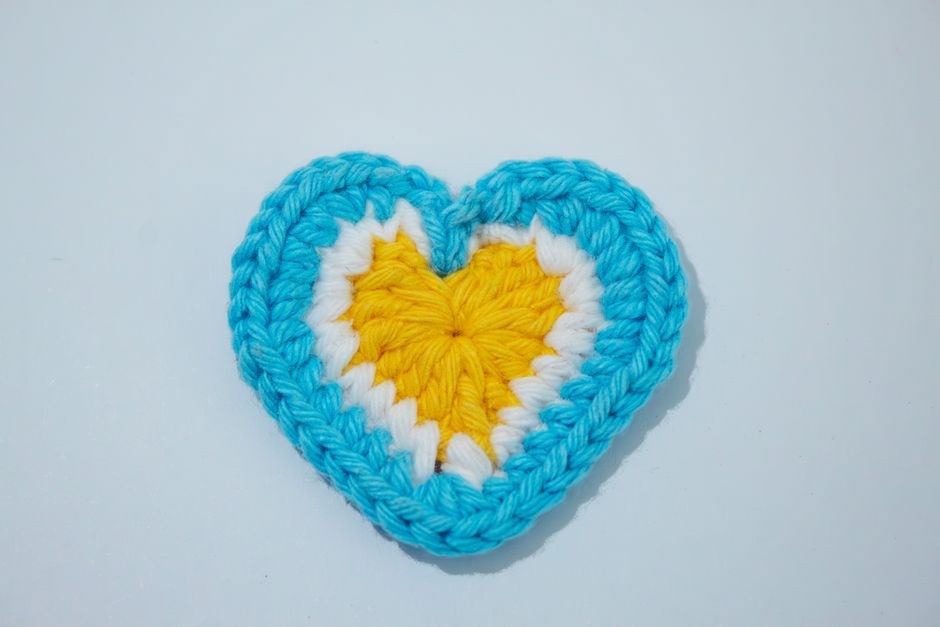
Free PDF crochet patterns let beginners dive straight into projects. They’re easy to download, print, and follow, offering step‑by‑step instructions in clear notation. Popular choices include waffle‑stitch baby blankets, simple scarves, and table runners—perfect for honing basic skills. for all!?
Why PDFs Are Ideal for Newbies
PDF patterns give beginners a hassle‑free start. They download instantly, need no special software, and stay accessible offline. PDFs keep the original layout and stitch notation, preventing misinterpretation. They support high‑resolution images and clear diagrams, essential for visualizing stitches like double‑crochet or front‑back post double‑crochet. PDFs can be printed full size or scaled, fitting any workspace. Because the file is static, there’s no risk of accidental edits. Many free PDF collections are organized by difficulty, making it easy to find beginner‑friendly projects such as scarves or baby blankets. PDFs also allow easy bookmarking of key pages, so a beginner can jump back to a tricky step without scrolling. Annotating the PDF with a stylus or note‑taking app lets users mark progress or add personal notes, a valuable learning aid. In short, PDFs combine convenience, reliability, and clarity—qualities essential for learning crochet.
PDFs are universally supported, so a beginner can open the same pattern on a phone, tablet, laptop, or smart TV, ensuring consistency. The search feature lets users locate specific stitch names instantly, saving time. Many PDF patterns include a quick‑start summary at the top, giving an overview of required yarn, hook size, and gauge, helping novices plan materials. The static nature means the pattern won’t change if the creator updates their site, giving peace of mind. Thus, PDFs provide a stable, accessible, user‑friendly foundation for anyone stepping into crochet. Their portability lets you work anywhere from coffee shop to corner.
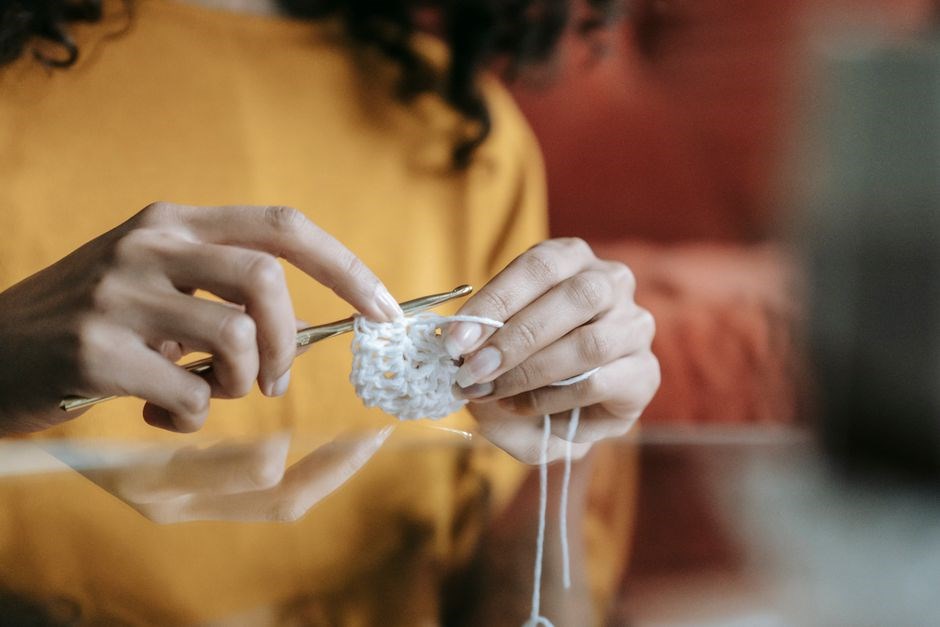
Benefits of Using PDF Patterns
PDF patterns let beginners download, print, and follow step‑by‑step instructions without extra software. They preserve stitch notation, include clear diagrams, and can be bookmarked for quick reference. Free PDFs cover projects like waffle‑stitch blankets, scarves, and table runners, making learning easy.
Download, Print, and Start Instantly
Free PDF crochet patterns are designed for quick access. Simply click the download link, save the file to your device, and print it on any standard printer. The PDF format preserves the original layout, stitch notation, and diagrams, so you can read the instructions without confusion. Once printed, you can start crocheting right away—no waiting for a physical book or subscription. Many sites offer instant downloads, and some even provide a PDF preview so you can confirm the pattern’s details before printing. This immediacy is especially helpful for beginners who want to test a simple project like a waffle‑stitch baby blanket or a basic scarf. By printing the pattern, you can keep it handy, mark your progress, and refer back to the stitch instructions whenever needed. The ability to print multiple copies also allows you to share the pattern with friends or store it in a craft binder for future reference. Overall, the download‑and‑print workflow eliminates barriers, making it easier for novices to jump straight into crocheting. Because PDFs are vector‑based, you can zoom in on the stitch diagrams without losing clarity, which is especially useful when you’re learning new techniques. If you prefer a tactile reference, many designers also offer a printable PDF that includes a small sample swatch, allowing you to test yarn weight and hook size before committing to a full project. When you’re ready, open the PDF on your tablet or laptop; it will fit the screen, so you can follow along without scrolling horizontally. Your creativity awaits. Start now!
Where to Find High-Quality Free PDF Patterns
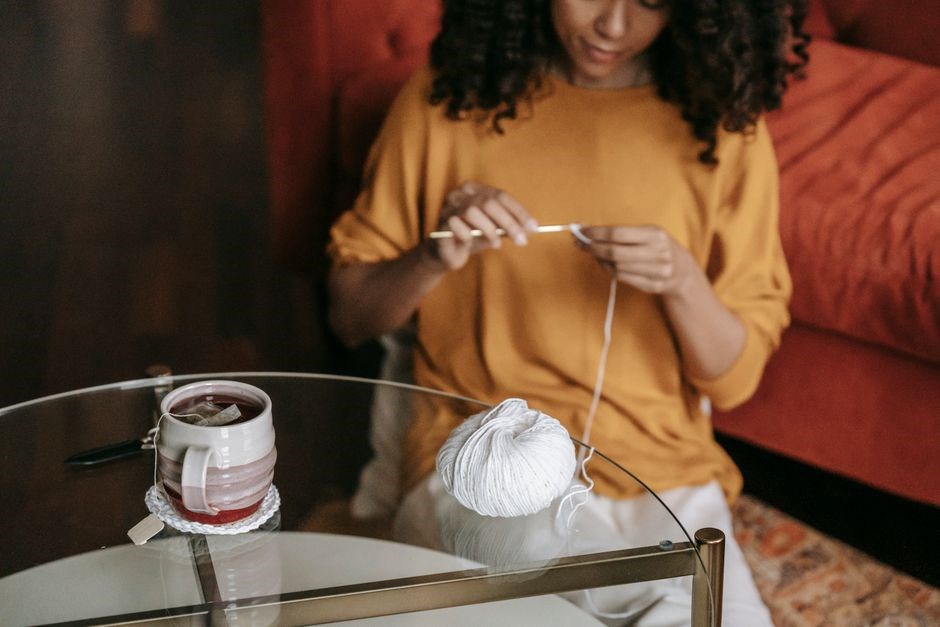
Explore sites like Ravelry, Craftsy, and Pinterest for free downloadable PDFs. Community forums share beginner-friendly designs, such as waffle‑stitch baby blankets and simple scarves. Search “free crochet PDF” to access instant, printable patterns.!!!
Top Websites and Communities
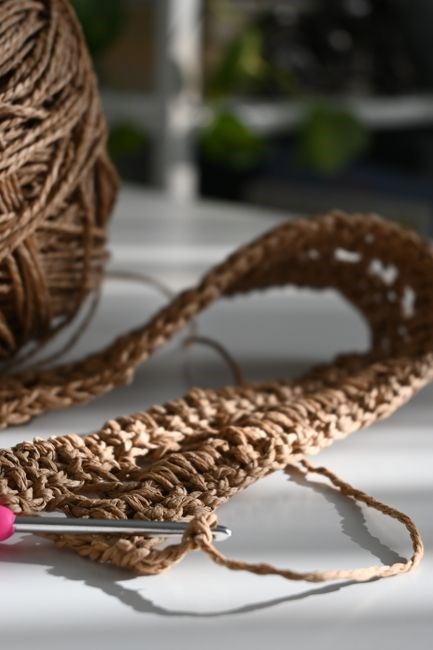
For beginners seeking free PDF crochet patterns, several online hubs stand out. Ravelry’s “Free Patterns” section hosts thousands of downloadable PDFs, from simple scarves to intricate baby blankets, all tagged by skill level. Craftsy’s free library offers step‑by‑step PDFs with clear stitch notation, while Pinterest boards aggregate user‑shared designs, often linking directly to PDF files. The Crochet Crowd community shares original patterns and offers feedback on tweaks, making it ideal for those who want to learn from peers. Red Heart’s website features a curated list of free PDF patterns, especially for holiday projects. Finally, the official sites of major yarn brands, such as Lion Brand and Lion Brand Yarn, provide seasonal PDF patterns that are both free and high quality. Each platform encourages discussion, allowing beginners to ask questions and receive guidance, which is invaluable when navigating new stitches or adjusting sizes.
Choosing the Right Pattern for Your Skill Level
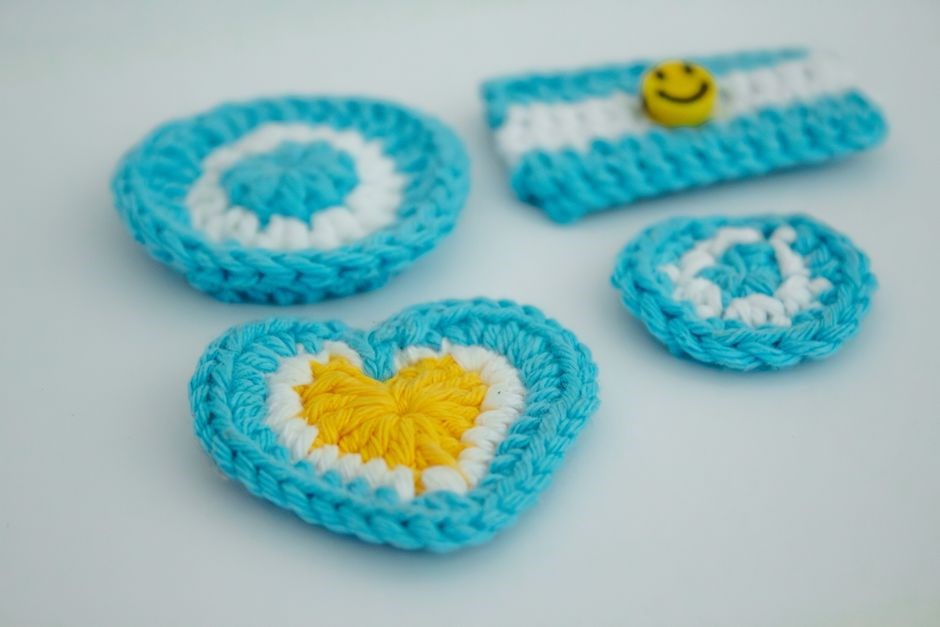
Beginner PDFs should feature simple stitches like single or double crochet, short rows, and clear notation. Look for patterns labeled “Easy” or “Beginner” and yarn recommendations that match your hook size. Test a small swatch before committing to a project
Pattern Complexity and Yarn Recommendations
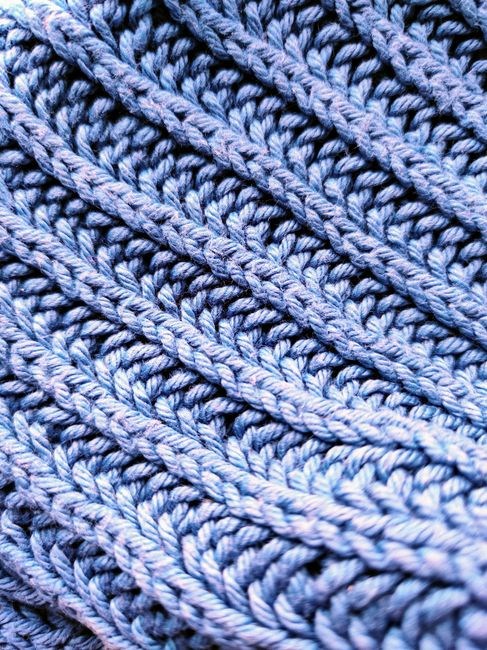
When selecting a free PDF for beginners, assess the stitch count and row structure. Simple patterns use single or double crochet, while intermediate ones introduce front‑post or back‑post stitches. A good rule is to start with a swatch: 4 × 4 inches using the recommended yarn weight. Most beginner PDFs suggest worsted weight (4) or DK (3) yarn, which balances tension and durability. If the pattern calls for a bulky yarn, test a small section to ensure your hook size produces the correct gauge. Yarn color also matters; lighter shades hide mistakes, while darker hues show tension variations. For a scarf or blanket, choose a yarn with a soft finish to reduce snagging. Always read the yarn recommendation section carefully; it often includes fiber content, recommended hook size, wash instructions. If unsure, use a medium weight with a 5 mm hook and it’s OK. Remember to keep a yarn log: note the brand, weight, color to track progress future projects. This practice helps avoid mismatched textures and ensures consistent results across patterns.Use a stitch gauge to ensure consistent tension every time!
Choosing the right yarn involves understanding gauge charts, which show how many stitches per inch correspond to a specific hook size. A typical worsted weight gauge uses 4 stitches per 4 cm with a 5 mm hook. If your swatch is too tight, switch to a larger hook; if too loose, use a smaller one. Fiber blends like acrylic‑cotton give softness and durability, while pure cotton gives a finish.
Popular Beginner Projects Available as PDFs
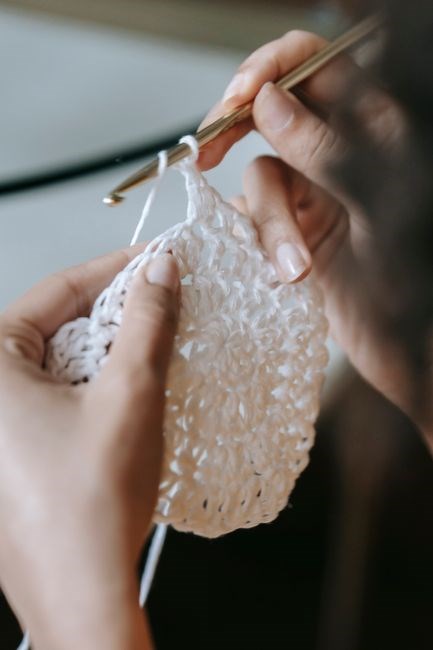
Free PDF patterns for beginners feature cozy projects like waffle‑stitch baby blankets, simple scarves, and festive table runners. These designs use basic stitches, clear notation, and recommended yarn weights, making them ideal for first‑time crocheters seeking instant, satisfying results. Enjoy! DIY Fun
Waffle Stitch Baby Blanket, Table Runner, and Simple Scarf
The waffle stitch, a delightful combination of double crochet and front‑back post double crochet, is a favorite for beginner projects. Its textured, basket‑like appearance creates a warm, tactile surface that feels comforting to the touch. Many free PDF patterns feature this stitch in a baby blanket, a table runner, or a simple scarf, allowing new crocheters to practice the same set of techniques across multiple items. A typical baby blanket pattern begins with a foundation chain, followed by a series of rows that alternate between front‑back post double crochet and double crochet. The result is a dense, cozy blanket that can be finished in a single day. These patterns also provide an opportunity to experiment with color blocking or yarn weight variations. Simple scarf patterns are the most beginner‑friendly, offering a straight‑forward sequence of double crochet stitches that can be extended to any length. The PDF instructions typically include a clear chart, stitch notation, and a list of recommended yarns. Many free resources also suggest using a medium weight yarn for maximum versatility, as it is easy to work with and dries. By working through all three projects, novices can gain confidence in their stitch consistency, tension control, and ability to follow a written pattern. The repetitive nature of the waffle stitch encourages muscle memory, while the small variations in each project keep the learning curve engaging. Additionally, free PDF patterns often come with printable charts, so crocheters can keep a visual reference handy. This accessibility makes the waffle stitch an excellent starting point for anyone eager to create handmade gifts or personal items without a steep learning curve.
How to Download and Organize Your PDF Patterns
Download patterns from trusted sites, save each PDF in a dedicated folder named by project. Use cloud storage like Google Drive for backup, and create subfolders for yarn type or difficulty. Label files clearly, e.g., “Waffle_Baby_B Blanket.pdf.” Regularly sync to avoid loss. Keep USB backups for extra safety now!!
Folder Naming, Cloud Storage, and Backup Tips
When you start collecting free PDF crochet patterns, a systematic naming convention saves time and frustration. Create a master folder called “Crochet_Patterns_Free” and inside it, sub‑folders for each project type—e.g., “Baby_Blancets,” “Scarves,” “Table_Runners.” Within those, name each PDF with a concise title and date: “Waffle_Baby_Blancet_2026‑07‑25.pdf.” This format keeps files sorted chronologically and makes searching with the Windows or macOS Finder instant.
Cloud storage is your safety net. Services like Google Drive, Dropbox, or OneDrive automatically sync every file you drop into the master folder. Enable two‑factor authentication for added security. Use the “Shared” feature to invite a friend or family member to view or edit your pattern library, which is handy if you’re collaborating on a project or teaching a class.
Backup is essential. Set up an automated backup routine: every Sunday, copy the entire “Crochet_Patterns_Free” folder to an external SSD or a second cloud account. For extra resilience, keep a physical copy on a USB drive stored in a different location. If you’re using a Mac, Time Machine can back up the folder to an external hard drive; Windows users can schedule a backup with File History. Regular backups guard against accidental deletions, corrupted files, or hardware failures.
Finally, keep your folder structure tidy. Delete duplicate PDFs, rename files that are mislabeled, and archive completed projects into a separate “Completed” folder. A clean, well‑organized digital library means you’ll always find the pattern you need without digging through clutter.
Tips for Successfully Following a PDF Pattern
Start by reviewing the notation key, then print the PDF. Keep a ruler and stitch gauge to match the suggested size. Scan the pattern for quick reference, and use a magnifying glass if needed. Adjust stitch counts for your hook size, and log any changes. Keep workspace tidy label stitch counts reference!!.
Reading Notations, Scanning, and Adjusting Sizes
Beforeyou start, locate the notation key at the top of the PDF. It explains abbreviations such as dc (double crochet), sl st (slip stitch), and ch (chain). Understanding these terms is essential for execution. Scan quickly the pattern once to spot special stitches or repeat sections. Many beginners overlook marking repeat rows with a small R or using a sticky note to track progress.
When adjusting size, first determine the gauge by crocheting a 4‑inch square with the hook recommended in the pattern. Measure the resulting stitch and row counts. If your gauge differs, calculate the adjustment factor: new size / current gauge. Multiply the stitch count in the pattern by this factor and round to the nearest whole number. This ensures the finished piece matches the intended dimensions.
Scanning the PDF can be helpful for quick reference. Use a PDF viewer that allows zooming and search. Highlight key sections with a digital highlighter or print out only the relevant pages. Keep a separate notebook for notes—write down any changes you make, such as stitch count adjustments or alternative yarn choices, so you can replicate or modify the pattern later.
Finally, test a small swatch of the chosen yarn and hook before committing to the full project. This swatch confirms the gauge and lets you practice any new stitches. By combining careful notation reading, strategic scanning, and precise gauge adjustments, you’ll build confidence and produce polished results with free crochet patterns for beginners PDF.
Discover free crochet patterns for beginners in PDF format. Easy step‑by‑step guides, fun projects, and instant downloads to start your creative journey today!